

Legal regime for a mosaic of differences: 25th anniversary of UNDRIP – experiences in Brazil
UNDRIP and ILO 169 combine with the 1988 Constitution to form a legal regime that recognizes the intrinsic value of socio-cultural diversity and defines principles for the protection of difference. In particular, the principles of self-determination and self-identification have acted as a catalyst for the agency of indigenous and other traditional peoples at different scales: from the village, through state organs, to international forums.
The United Nations Declaration on the Rights of the Indigenous Peoples seen from a legal historical perspective
How did indigenous communities in Latin America respond to the UN Declaration on the Rights of Indigenous Peoples? Experts took a look at Bolivia, Brazil and Colombia from a legal historical point of view.

What was the theme of this year’s Summer Academy, “Using History in Law”, all about?
This year’s Summer Academy for Legal History took place in July 2022 and was oriented around the theme “Using History in Law”. The participants dealt with this topic from various perspectives and in a number of sessions throughout the two weeks.
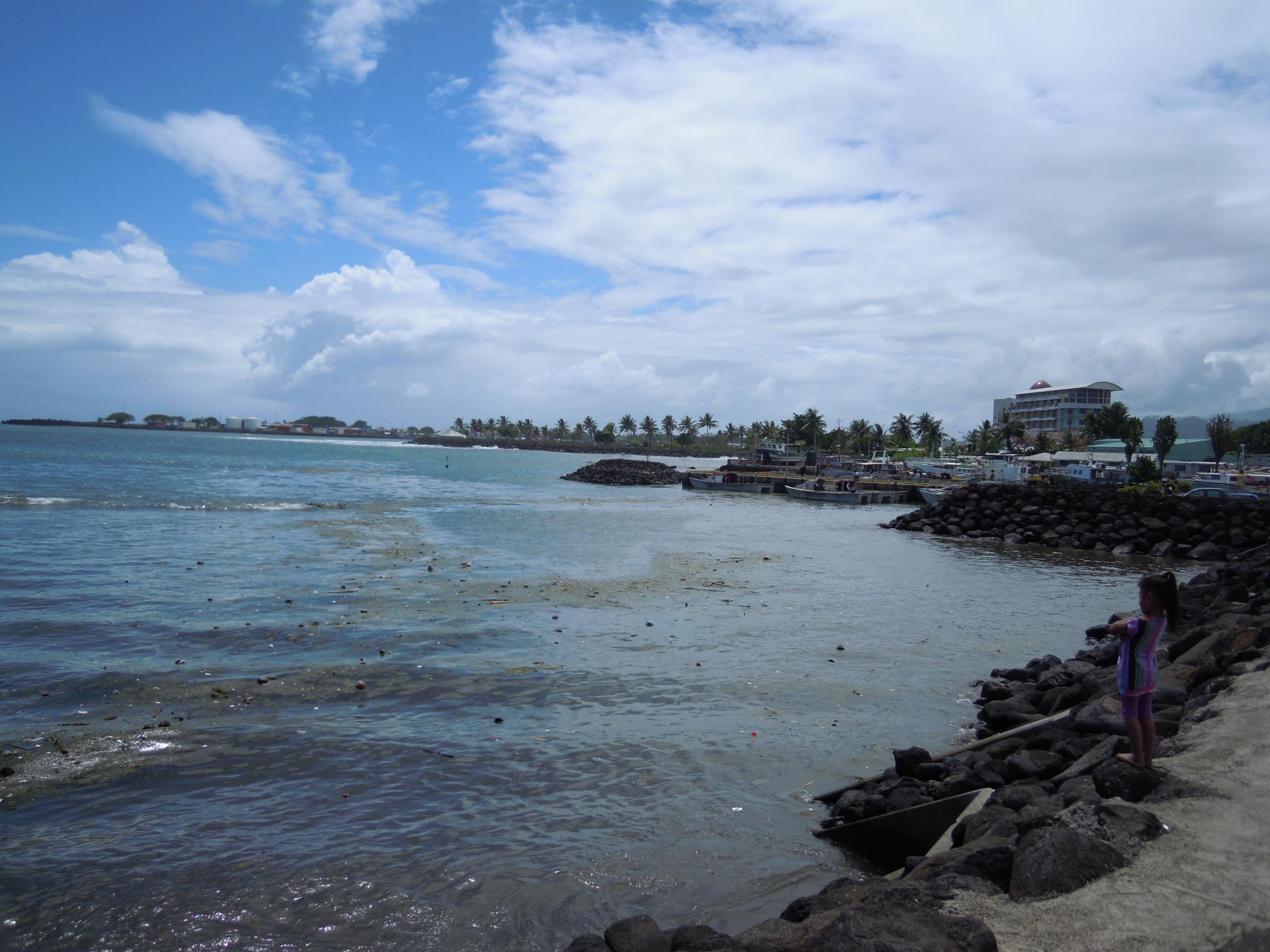
Papers of Pacific Colonial Pasts: a visit to the national archives in Samoa
A researcher’s experience visiting an archive in Samoa with holdings from the German colonial period.
