
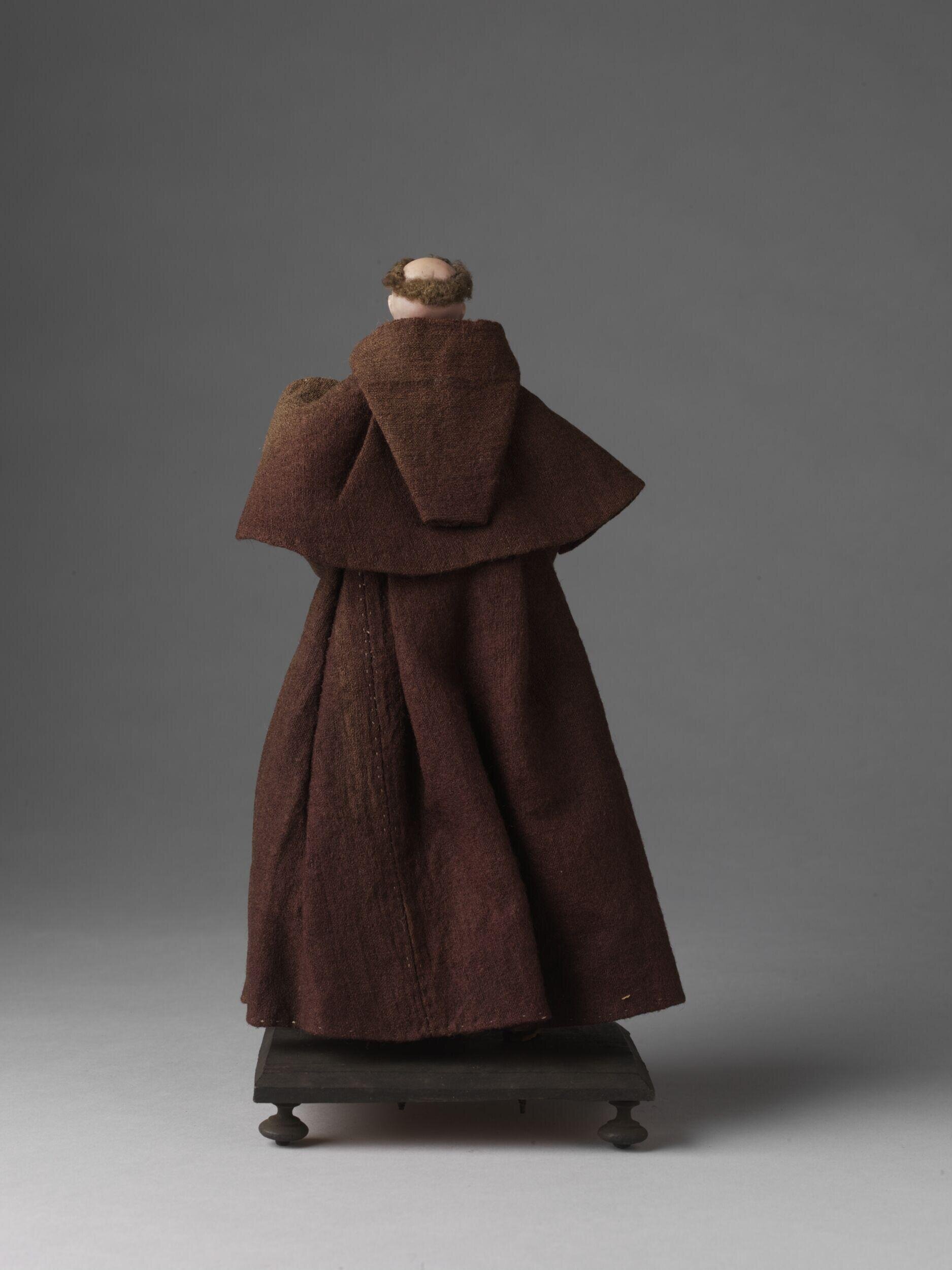

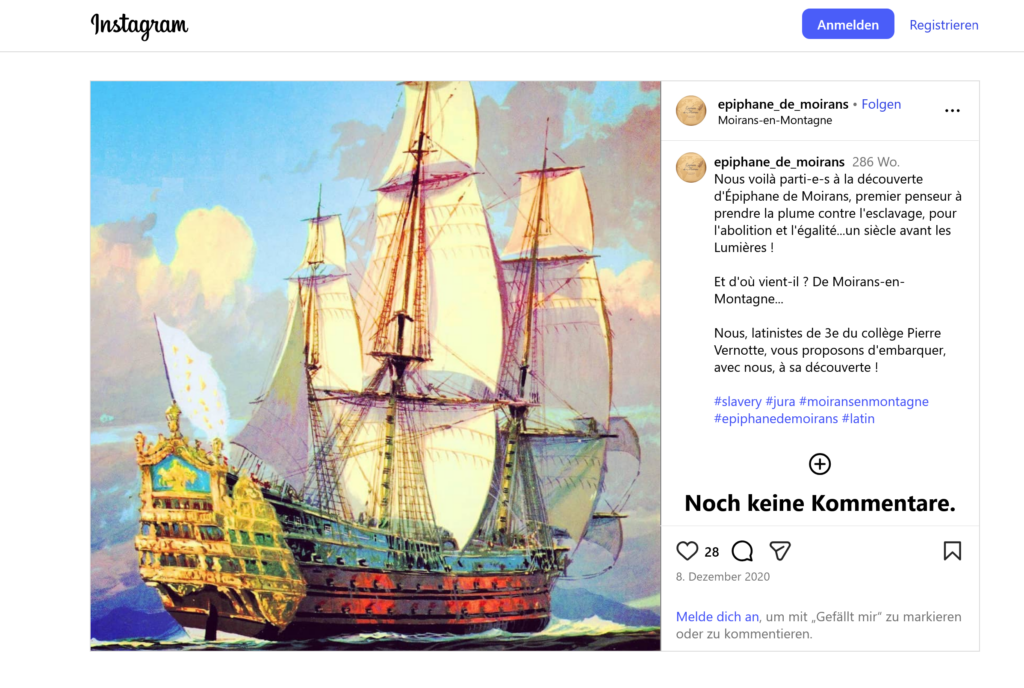
On 8 December 2020, the Capuchin missionary Epifanio de Moirans made his Instagram debut. The man was long dead, but students from his hometown in the French Jura were determined to revive his legacy. In the wake of the Black Lives Matter protests, which originated in the U.S. but spread across Europe, Moirans’ story seemed more urgent than ever: “Here we are, setting out to discover Epifanio de Moirans, the first thinker to take up his pen against slavery and in favor of abolition and equality… a century before the Enlightenment!”
As a missionary in colonial Latin America, Moirans witnessed the horrors of slavery firsthand. In 1682, he wrote a pamphlet titled Free Slaves, or the Just Defense of the Natural Liberty of Slaves. Anyone holding Black Africans enslaved, he argued, had to set them free and compensate them for the injustice. Moirans’ critique of the transatlantic slave trade was scathing.
Today, the seventeenth-century Capuchin is widely regarded as an abolitionist ahead of his time. This view is not only held by his hometown admirers but promoted in magazines and scholarly works alike. Yet did Moirans truly want to outlaw slavery?
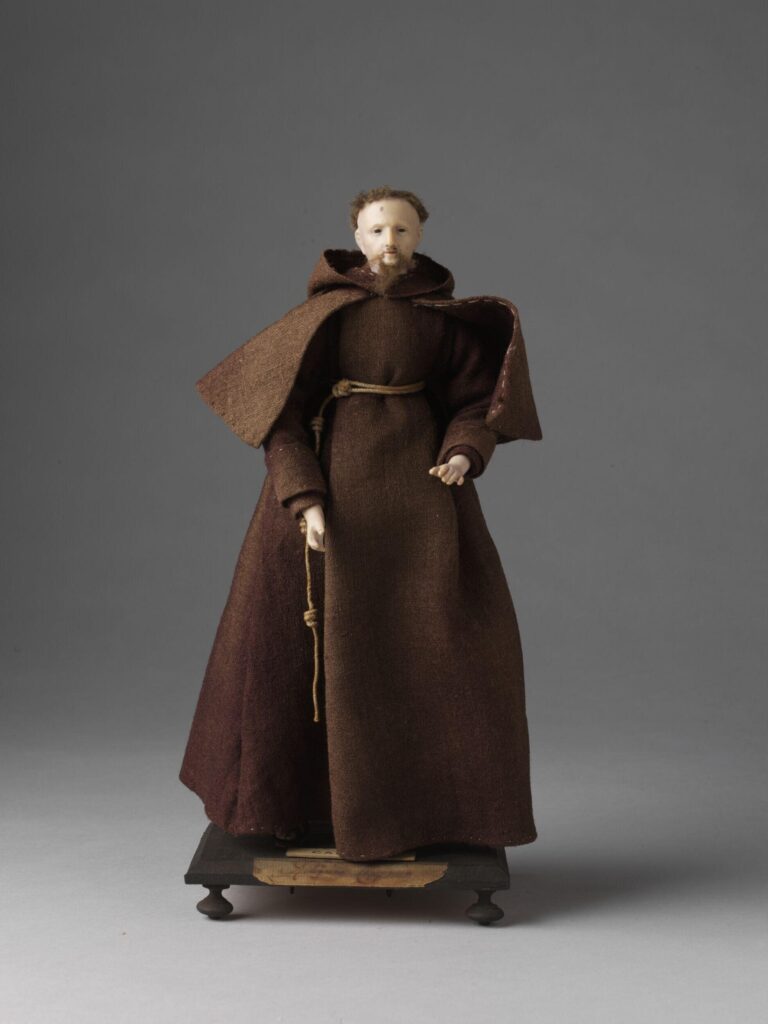
A Capuchin in the Americas
Moirans set sail across the Atlantic in 1678. After a short stay on the Caribbean island of Martinique, he spent most of his time overseas in what is today Venezuela and Cuba. As a Capuchin, he answered to the Vatican rather than to colonial authorities. But his missionary activities soon got him into trouble with local powers. Moirans denied absolution to owners of enslaved Africans – and landed in prison. It was during his confinement in Havana that he put his activism into words.
Opposing the Enslavement of Black Africans
Moirans’ pamphlet was an attack on the ways in which Iberian theologians and jurists of the so-called School of Salamanca had previously justified the enslavement of Black Africans. Using the very same theoretical toolkit, he put forward radically different conclusions. In short, he sought to beat Iberian thinkers like Luis de Molina (1535–1600) at their own game.
Moirans maintained that none of the traditional justifications of slavery applied: the Portuguese had unjustly waged war against Angola, so that none of the people they captured were legitimately enslaved. It was equally unjust to buy people condemned to slavery within West African kingdoms, because these places were ruled by might rather than right. And when in doubt whether someone had been legitimately enslaved, you could not keep them but had to free them.
But what about people facing starvation, who sold themselves and their children into slavery to survive? Moirans did not challenge this principle. However, he insisted that Iberians could not use it as an excuse for slavery. As Christians, they were bound by the duty of charity – and this meant helping fellow humans without taking anything in return.
God’s Wrath
Moirans painted a grim picture, stressing that God’s punishment was inevitable if the injustice did not stop. He compared the illegitimate enslavement of Black Africans to the subjugation of the Hebrews in Egypt – and reminded his readers that in the biblical story, the oppressors were struck with divine wrath. Iberians were facing the very same fate, Moirans warned, unless they immediately stopped the oppression of Black Africans.
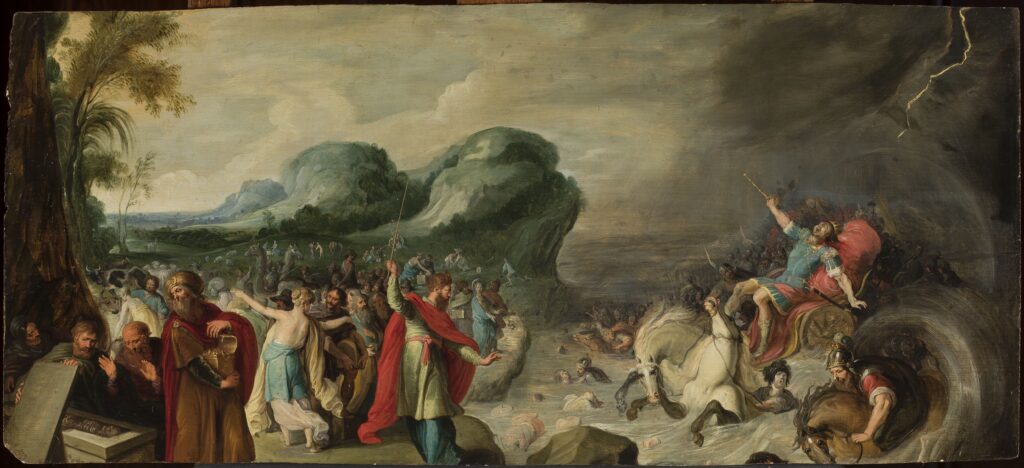
Biblical Slavery and Biblical Liberty
Yet Moirans’ opponents invoked the Bible too. In the Book of Genesis, Noah had cursed Ham and condemned his descendants to slavery. Since Ham was increasingly seen as the progenitor of Black Africans, some contemporaries claimed that their enslavement was God’s will. The Spanish Jesuit Alonso de Sandoval (1576–1652) went even further: enslavement was not only a divine punishment but also crucial to Christianize Black Africans.
Moirans pushed back hard, arguing that the Bible stated otherwise: the cursed one was not Ham, but rather his son Canaan, whose offspring dwelt in Palestine – not Africa. This was a momentous move. It allowed Moirans to count Black Africans among the Christian peoples, from Biblical Ethiopia to his own time.
Black African Christians and Muslim ‘enemies of the church’
But Moirans’ vision of freedom was not universal. The ones who truly deserved to be enslaved, he proclaimed, were those who sinned against the Christian faith – ‘the Turks and Moors, and all the Mohammedan enemies of the church.’ If Black Africans were destined to be free and destined to become Christians, they were equally destined to join the ‘Holy Wars’ against Muslims.
How, then, should we remember Epifanio de Moirans? He was surely an extraordinary and fierce critic of the transatlantic slave trade. But he did not oppose slavery itself.
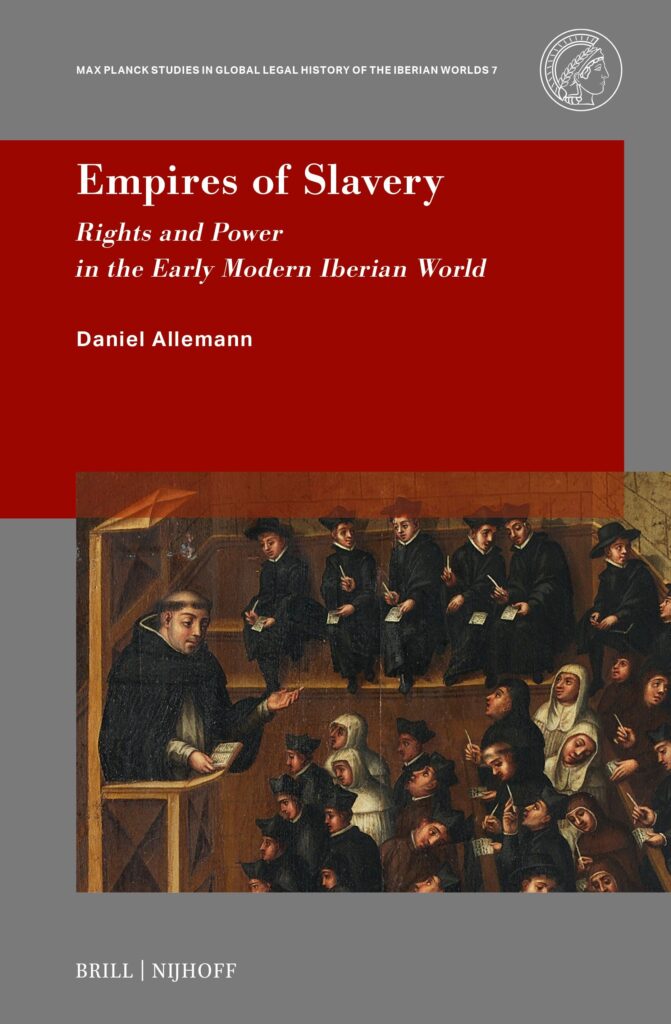
This post draws on Chapter 7 of Daniel Allemann’s recent book Empires of Slavery: Rights and Power in the Early Modern Iberian World (open access). The chapter offers a more in-depth account of Moirans’ arguments, with detailed references to his treatise and the scholarly debates around it.
Cite as: Allemann, Daniel: Past, Present, and Future of the School of Salamanca. A Congress Report on its Fifth Centenary, legalhistoryinsights.com, 18.06.2026, https://doi.org/10.17176/20260624-155837-0
