
The United Nations Declaration on the Rights of the Indigenous Peoples seen from a legal historical perspective
How did indigenous communities in Latin America respond to the UN Declaration on the Rights of Indigenous Peoples? Experts took a look at Bolivia, Brazil and Colombia from a legal historical point of view.

What was the theme of this year’s Summer Academy, “Using History in Law”, all about?
This year’s Summer Academy for Legal History took place in July 2022 and was oriented around the theme “Using History in Law”. The participants dealt with this topic from various perspectives and in a number of sessions throughout the two weeks.
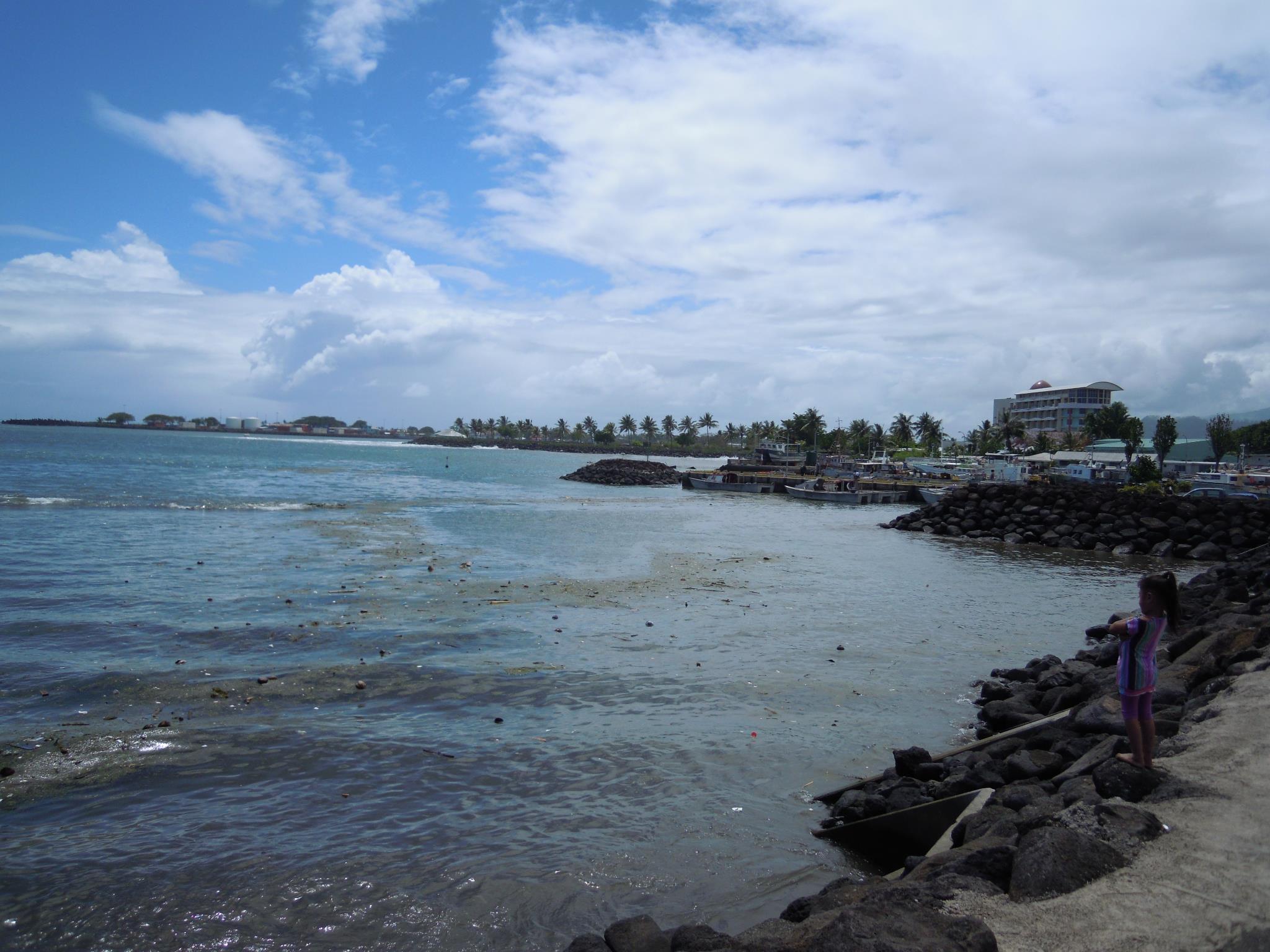
Papers of Pacific Colonial Pasts: a visit to the national archives in Samoa
A researcher’s experience visiting an archive in Samoa with holdings from the German colonial period.

Producing Paper for Venice: The Valley of Papermills (Valle delle Cartiere)
One of the pleasures of being a legal historian concerned with topics from the Early Modern period is the possibility to get to handle and work with historical books, often originals printed in the 16th and 17th century. Too often, we tend to concentrate exclusively on the content of a book, not taking into account the wealth of information stemming from the materiality of the book: who printed it, how it was printed, and how the materials carrying all the precious content were produced. Between the 15th and 17th century, the largest part of paper for the many book prints of Venice was produced in a small valley near Lake Garda, known until this day as the Valley of Papermills, the Valle delle Cartiere.
